How Teachers Can Engage Quiet and Less Participative Students
ففريق كرافتا··8 min read
Quiet students are not necessarily disengaged. Some need more time to think, prefer writing to speaking, feel uncertain in front of peers, or participate more comfortably in pairs and small groups. Effective participation design gives students several ways to show thinking instead of treating hand-raising as the only evidence of engagement.
Separate participation from personality
The goal is not to make every student behave like the most vocal learner. The goal is to make thinking visible and give each student a meaningful path into the lesson. A student can contribute through a written response, a quick poll, a partner discussion, or a digital activity before speaking to the whole class.
Practical strategies
Give thinking time before requesting answers.
Use anonymous or private first responses.
Move from individual thinking to pairs, then groups.
Ask specific, accessible questions before complex ones.
Recognize improvement and effort, not only speed.
Allow students to prepare a response before sharing.
Use digital tools to widen access
A short quiz or response activity can let every student answer at the same time. The teacher sees patterns across the class without relying on the same volunteers. This can be particularly helpful for checking misconceptions and deciding who needs support.
However, digital participation should not become a permanent shield from communication. It can serve as a bridge: students first respond privately, then discuss with a partner, and later share selected ideas with the class.
Track patterns over time
One quiet lesson does not define a learner. Review participation across activities and weeks. Some students may contribute strongly in creative tasks, collaborative challenges, or applied questions. A broader view prevents teachers from confusing visibility with understanding.




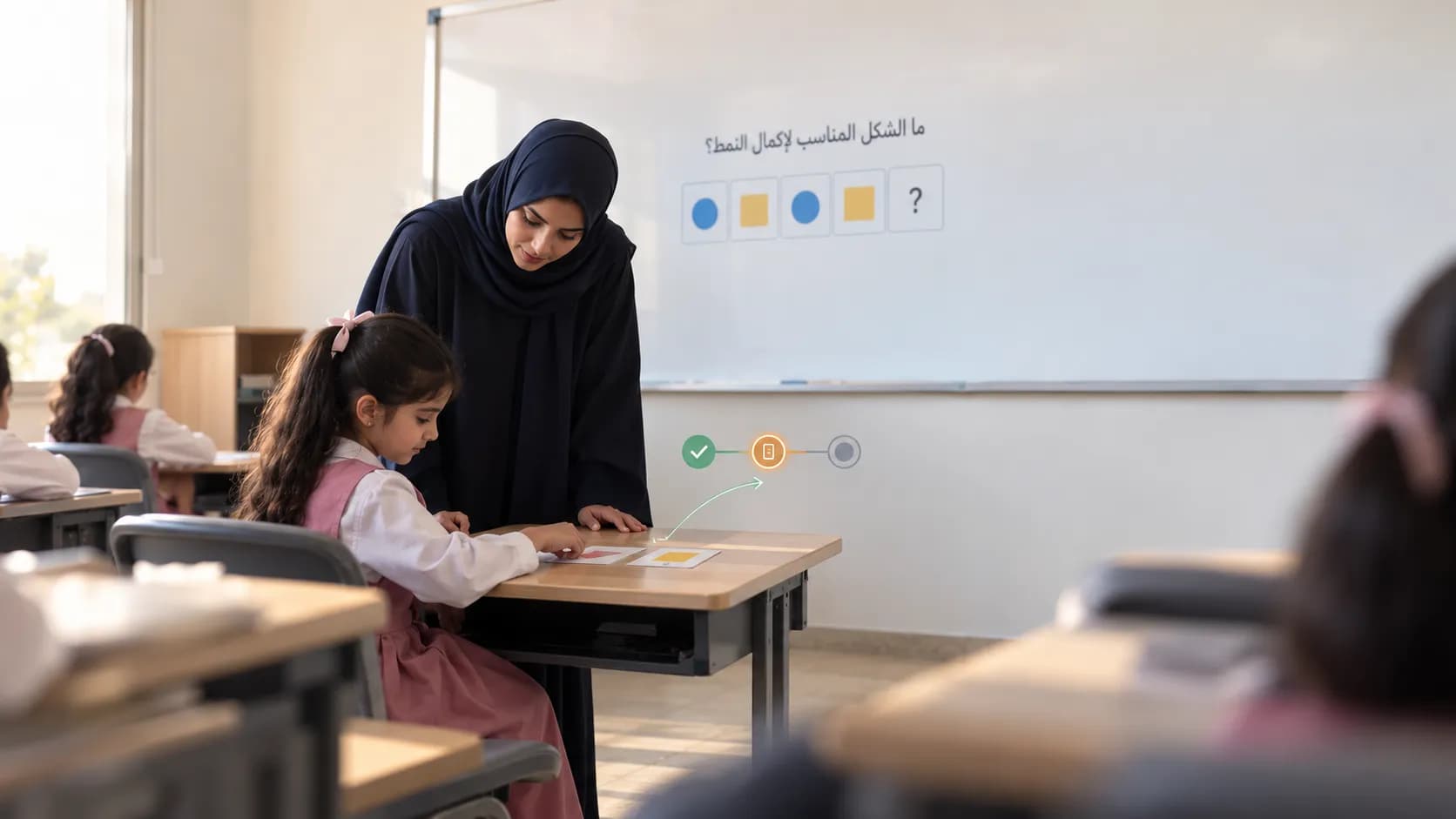
Quiet students are not necessarily disengaged. Some need more time to think, prefer writing to speaking, feel uncertain in front of peers, or participate more comfortably in pairs and small groups. Effective participation design gives students several ways to show thinking instead of treating hand-raising as the only evidence of engagement.
Separate participation from personality
The goal is not to make every student behave like the most vocal learner. The goal is to make thinking visible and give each student a meaningful path into the lesson. A student can contribute through a written response, a quick poll, a partner discussion, or a digital activity before speaking to the whole class.
Practical strategies
Give thinking time before requesting answers.
Use anonymous or private first responses.
Move from individual thinking to pairs, then groups.
Ask specific, accessible questions before complex ones.
Recognize improvement and effort, not only speed.
Allow students to prepare a response before sharing.
Use digital tools to widen access
A short quiz or response activity can let every student answer at the same time. The teacher sees patterns across the class without relying on the same volunteers. This can be particularly helpful for checking misconceptions and deciding who needs support.
However, digital participation should not become a permanent shield from communication. It can serve as a bridge: students first respond privately, then discuss with a partner, and later share selected ideas with the class.
Track patterns over time
One quiet lesson does not define a learner. Review participation across activities and weeks. Some students may contribute strongly in creative tasks, collaborative challenges, or applied questions. A broader view prevents teachers from confusing visibility with understanding.
Cravta offers interactive activities and quizzes that help collect responses from the whole class. Read more about measuring student engagement and interactive learning platforms.
Frequently asked questions
Should teachers force quiet students to speak?
Participation should be encouraged, but multiple pathways and preparation time are more supportive than sudden pressure.
Do anonymous activities help?
They can reduce fear and make the whole class's thinking visible.
How is progress measured?
Review the frequency, quality, and variety of participation over time.